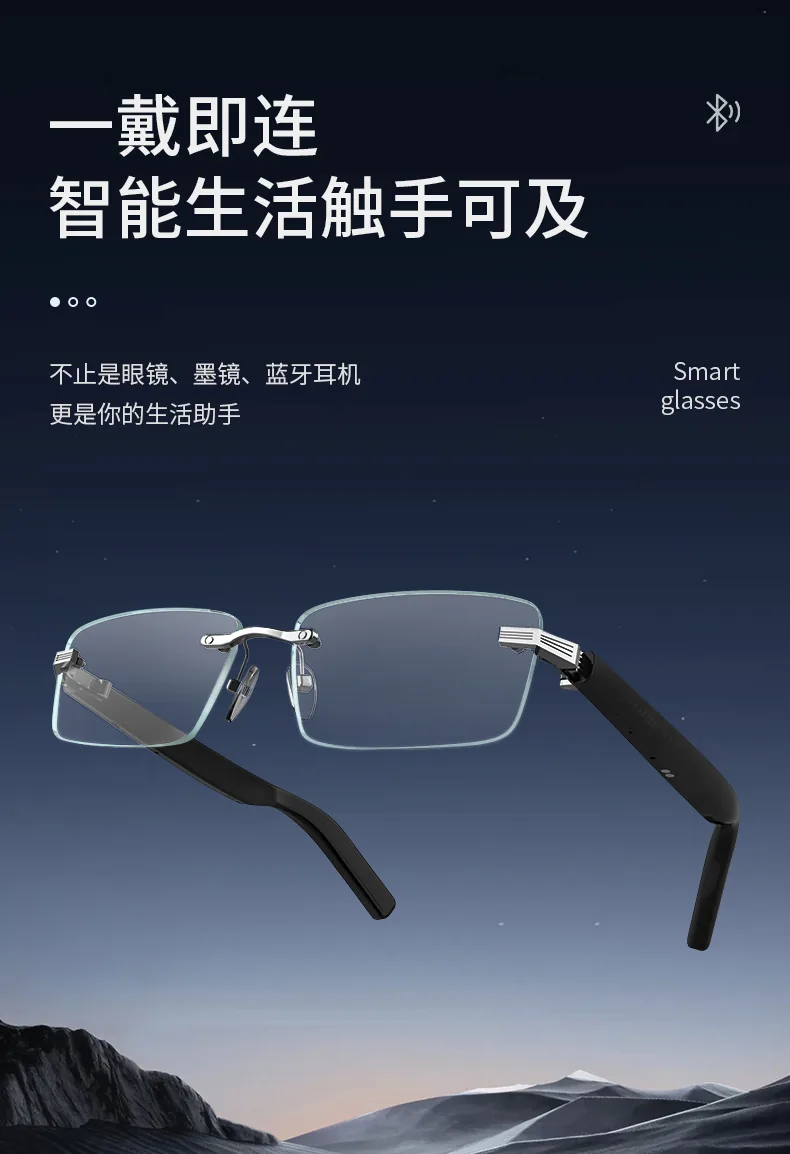
On when worn, off when removed
Wear sensing saves a pocket trip. In a retail demo, it is the moment people remember.
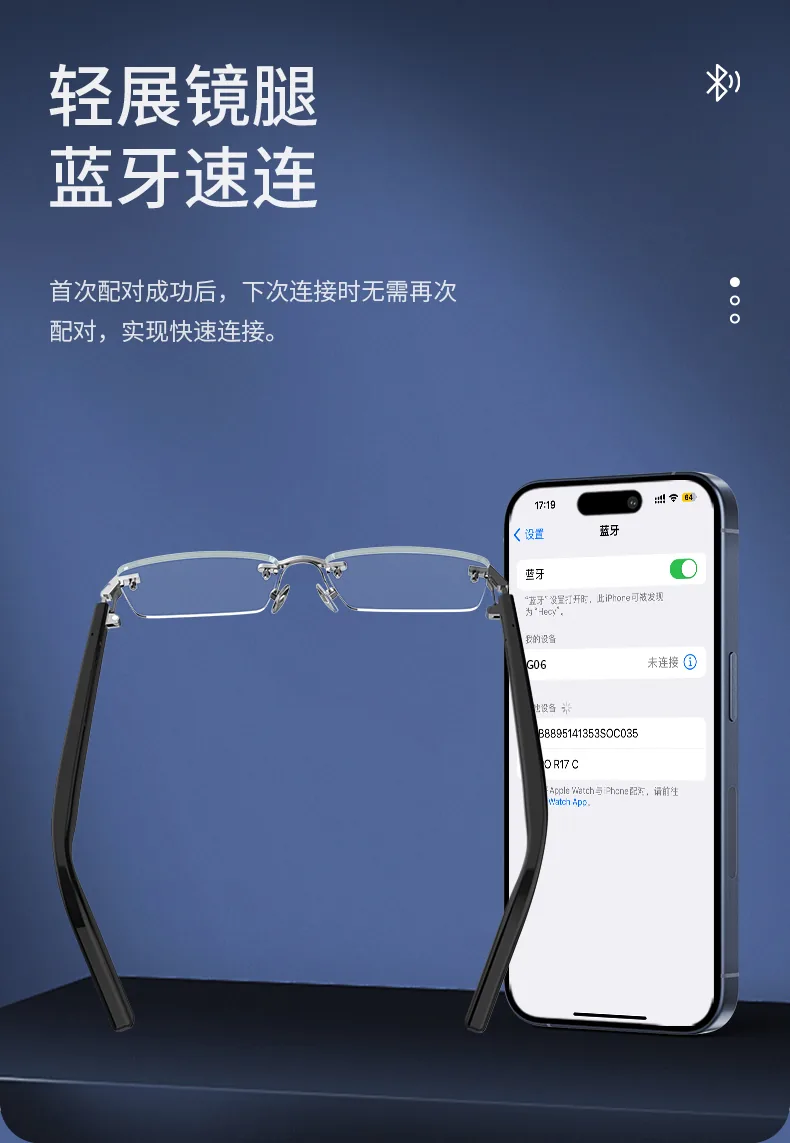
Model V09-3 (Wear-Activated Power): The opening and closing of the temple arms controls the switch, seamlessly connecting via Bluetooth for music playback, answering or rejecting …
Wear sensing saves a pocket trip. In a retail demo, it is the moment people remember.
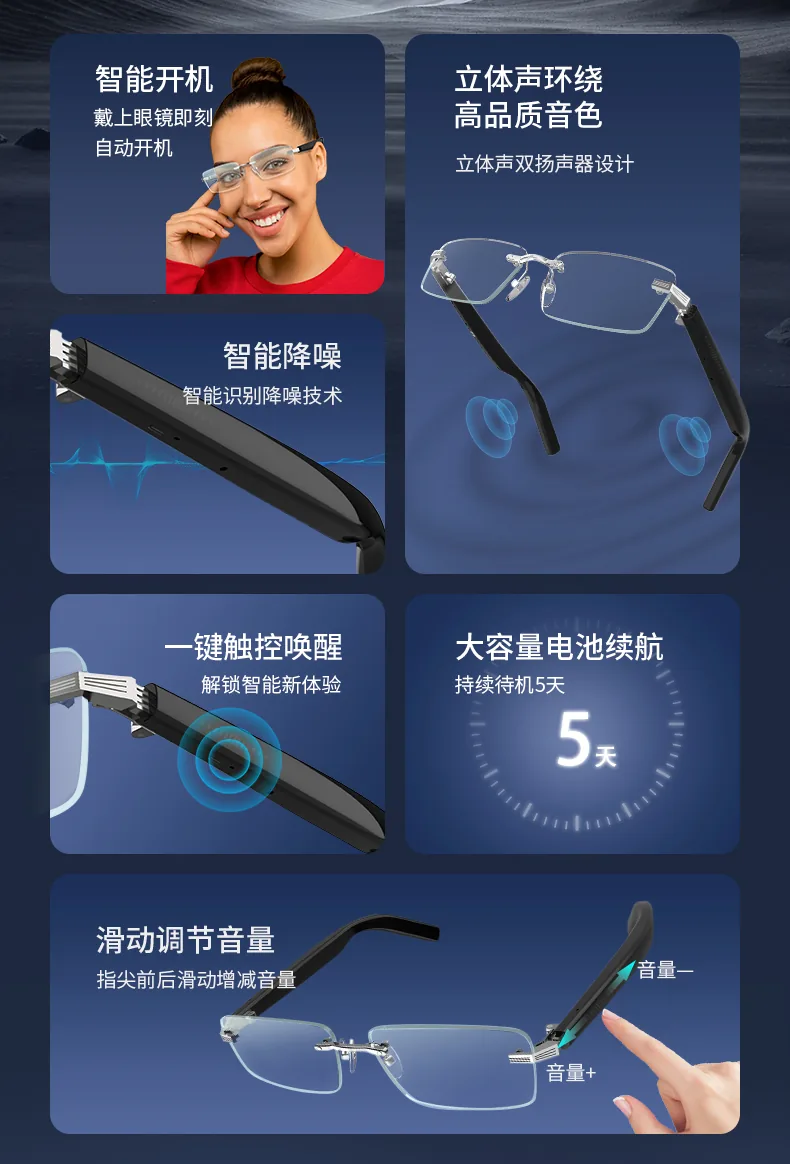
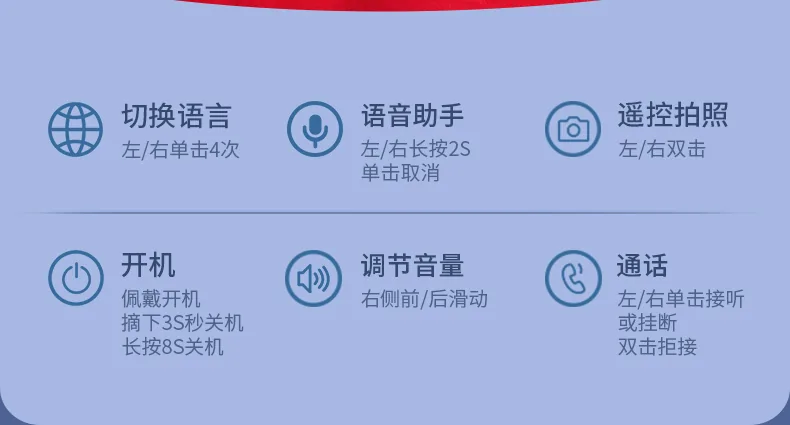
No hunt for a button. On the face means on. Useful for channels that skip manuals.
Sensing cuts idle drain. Talk battery as hours worn, not the number on the box.

V09 shares sensing and acoustics across looks. One cert pack can cover the line.
The first look is the front. Use it to check proportion, lens area and where a logo can sit.
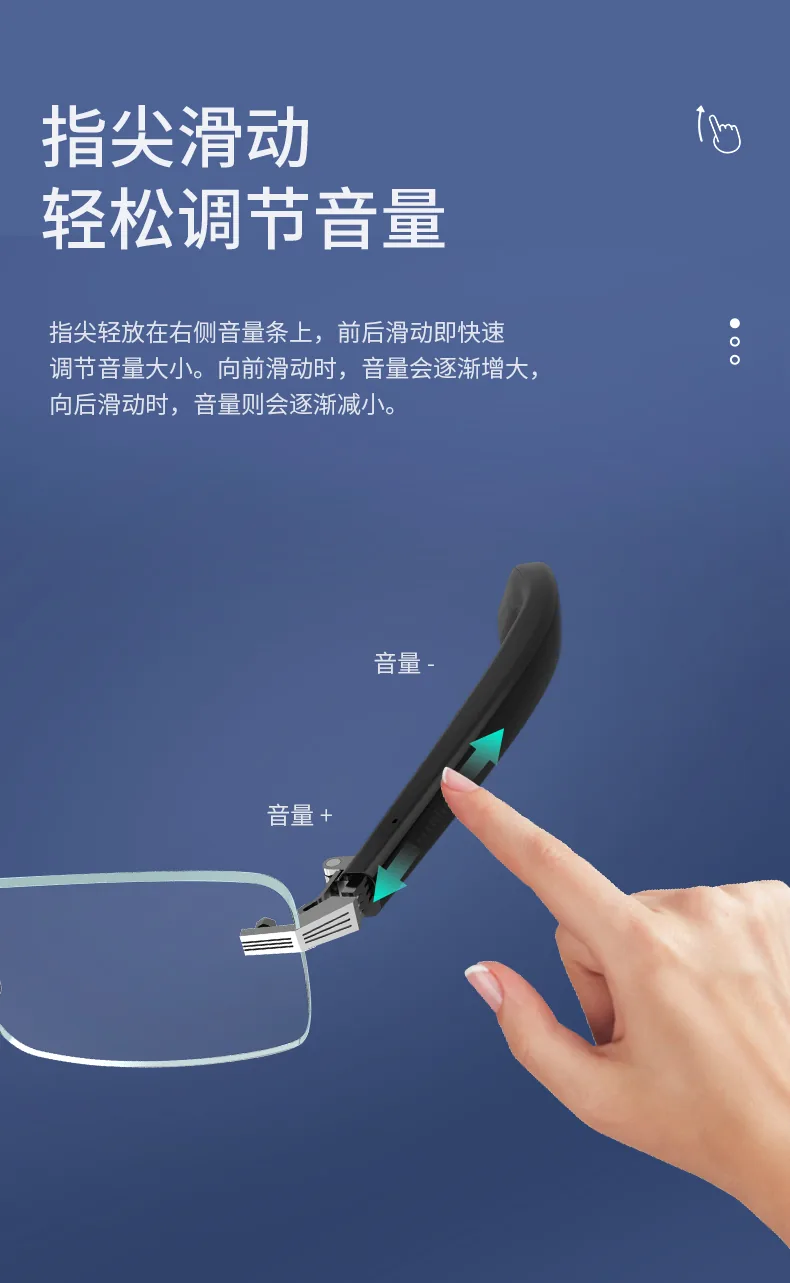
Hinge-to-temple reads clearest here. Use it for QC and the detail page.
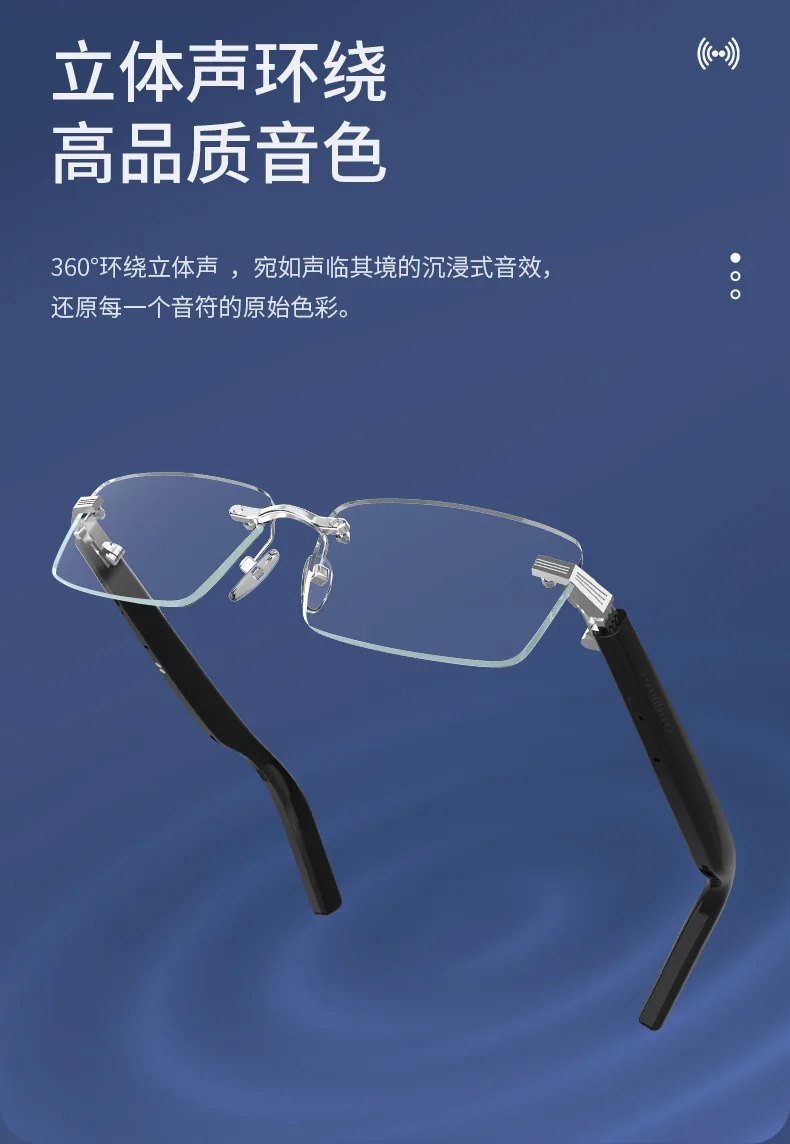
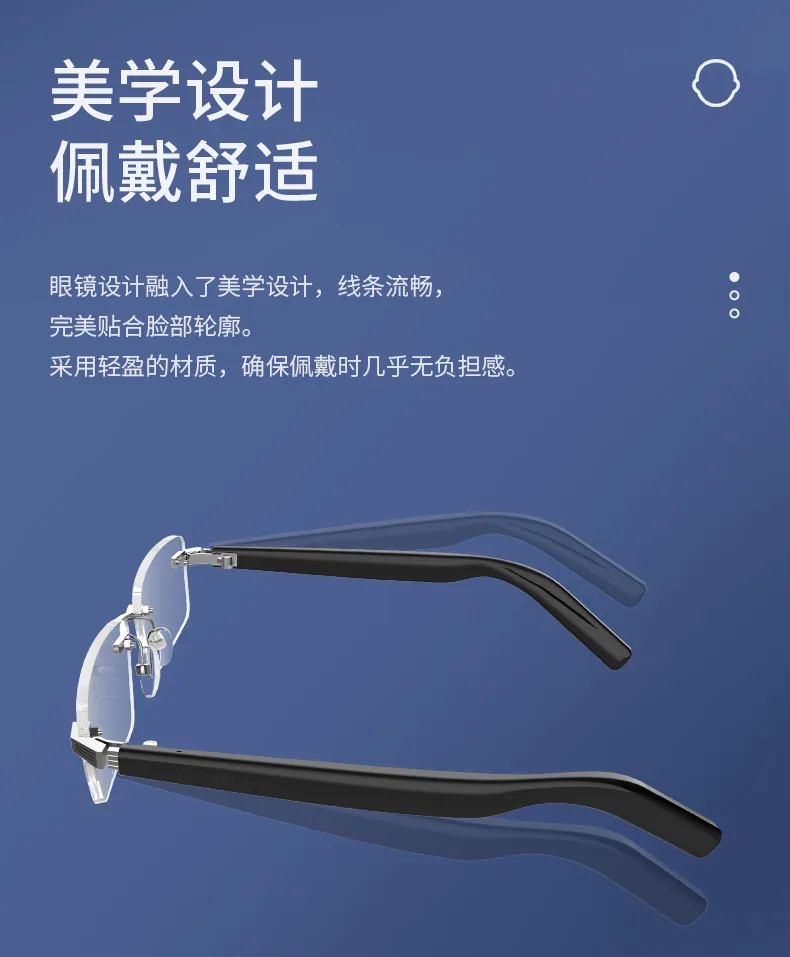
All-day comfort lives here. Make sure the buyer wears the sample.
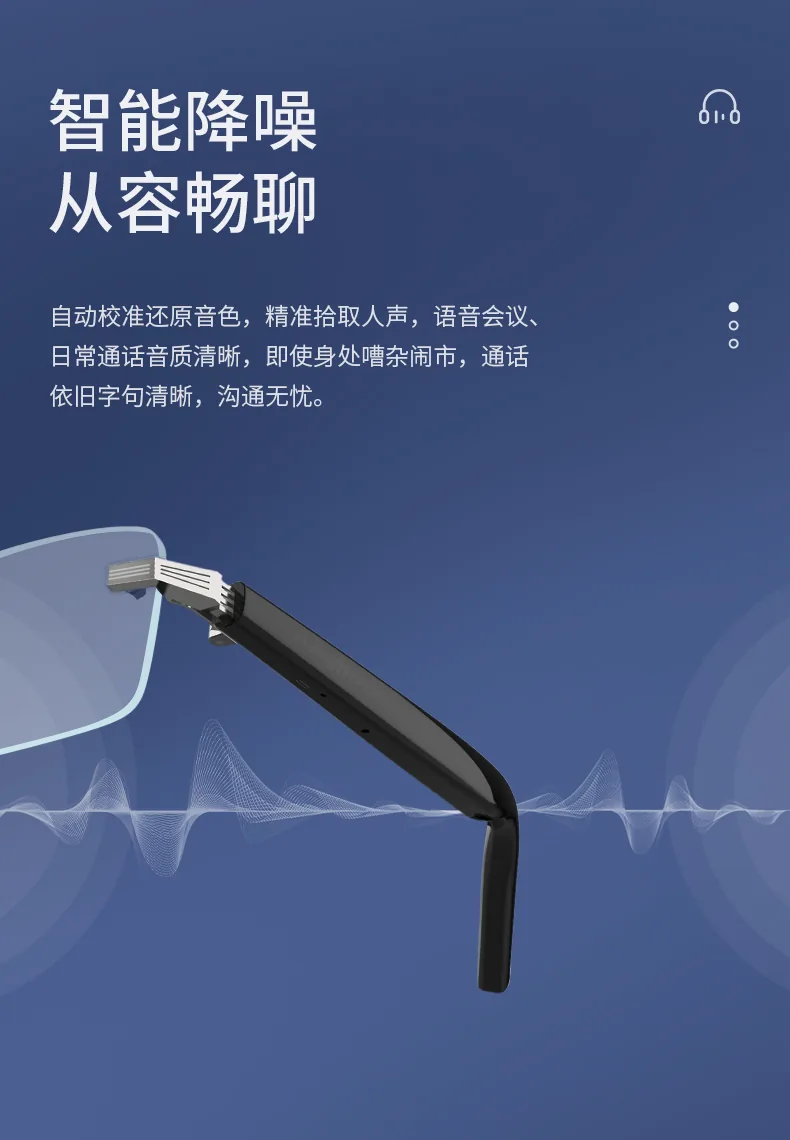
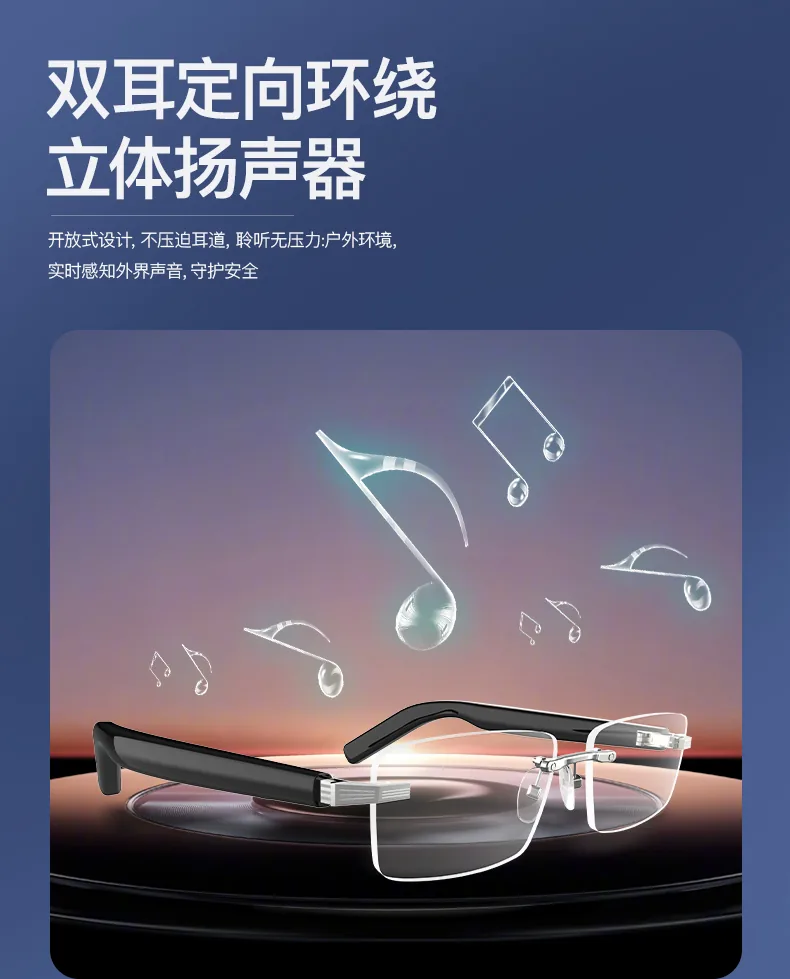
Sound leaves here, ear canal free. One call in the shop is the demo.
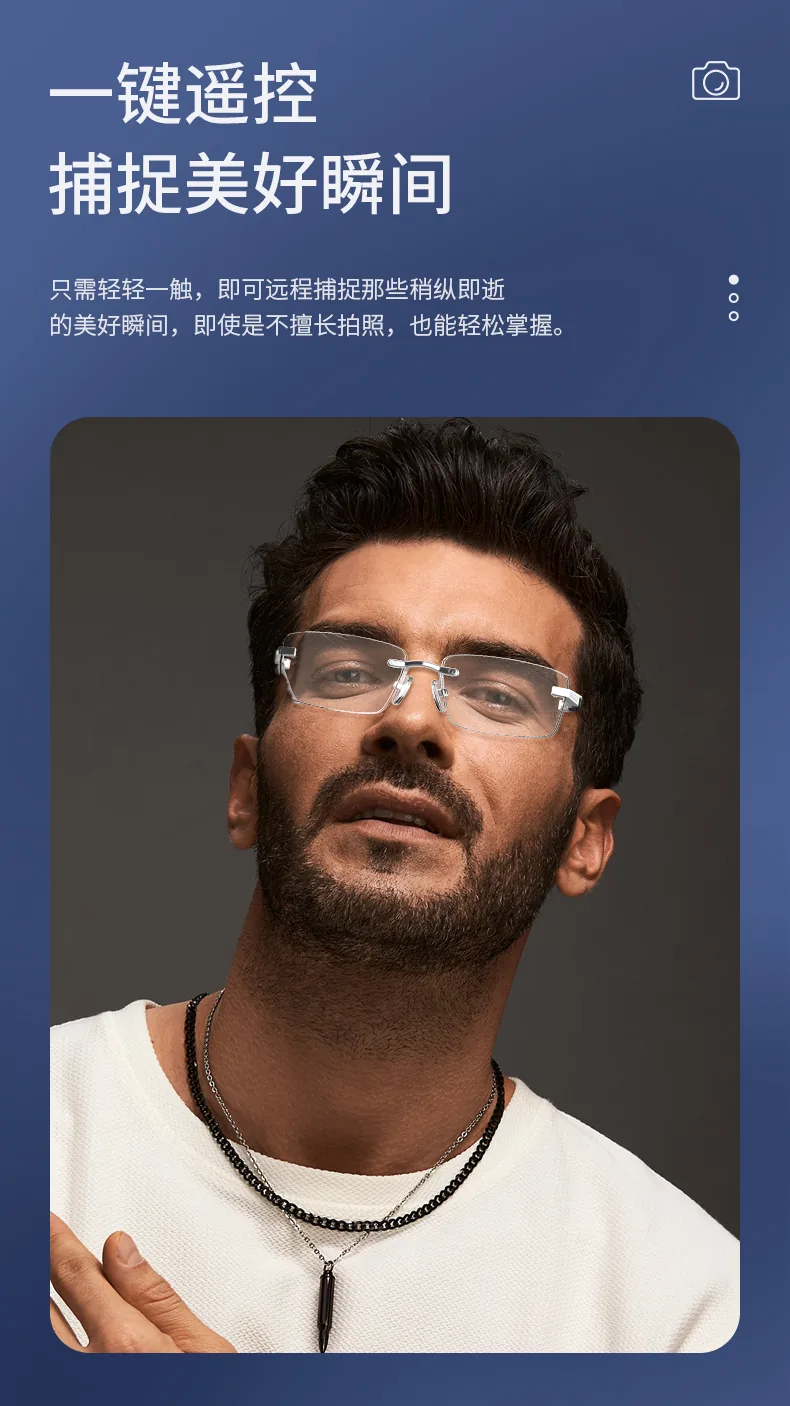
Open-close damping can be tuned. This shot is there to prove it is not a floppy gadget.
Swap, magnetic or hanging — start with the seam. A clean seam lets the bay go close.
If the weight tips forward, the nose knows first. This side is for the QC eye.

Inserts and window cartons follow this outline. Useful when you draw the pack.
Case or cable can take a brand. Shoppers open the box before they wear it.
If the module is visible, spare-part talk is easier. One frame is enough.
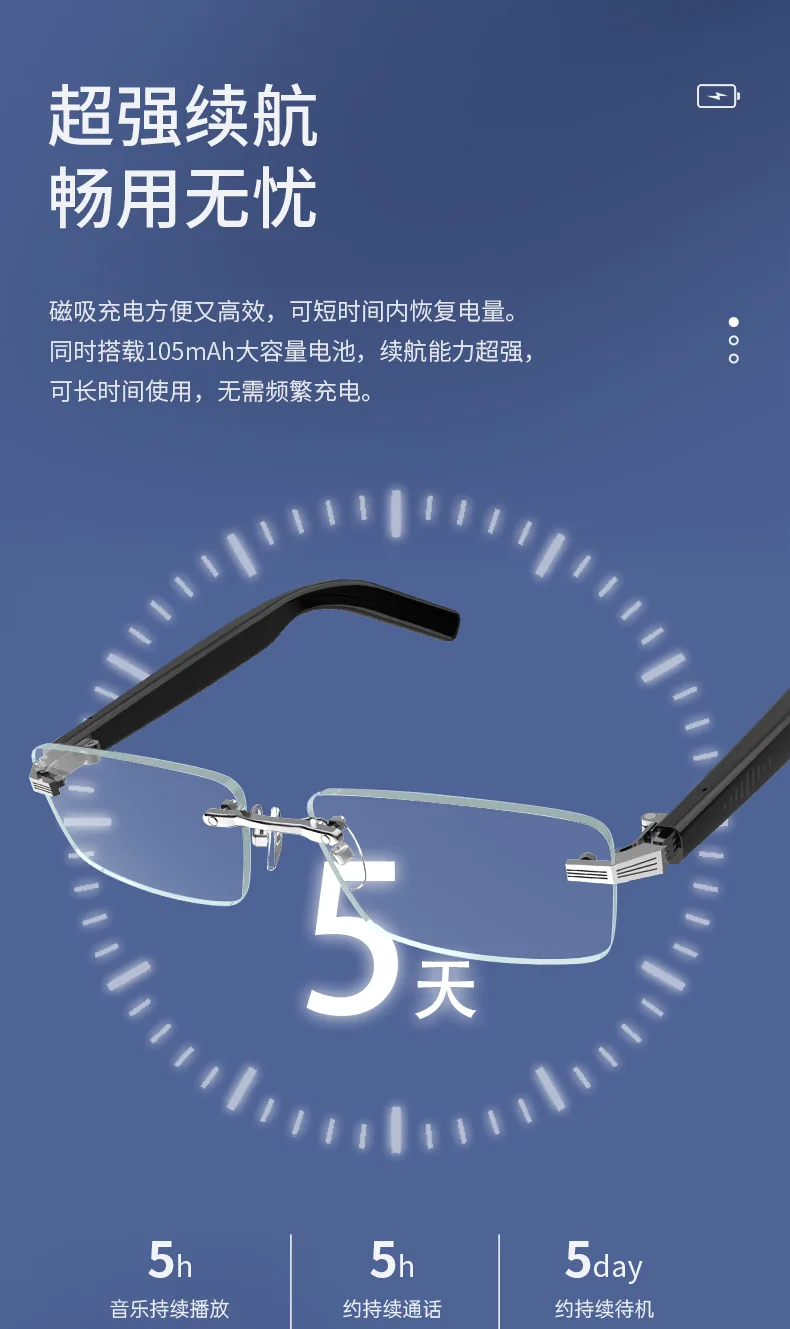
Counter, lightbox or set — this angle works. Clean background is for your retouch.

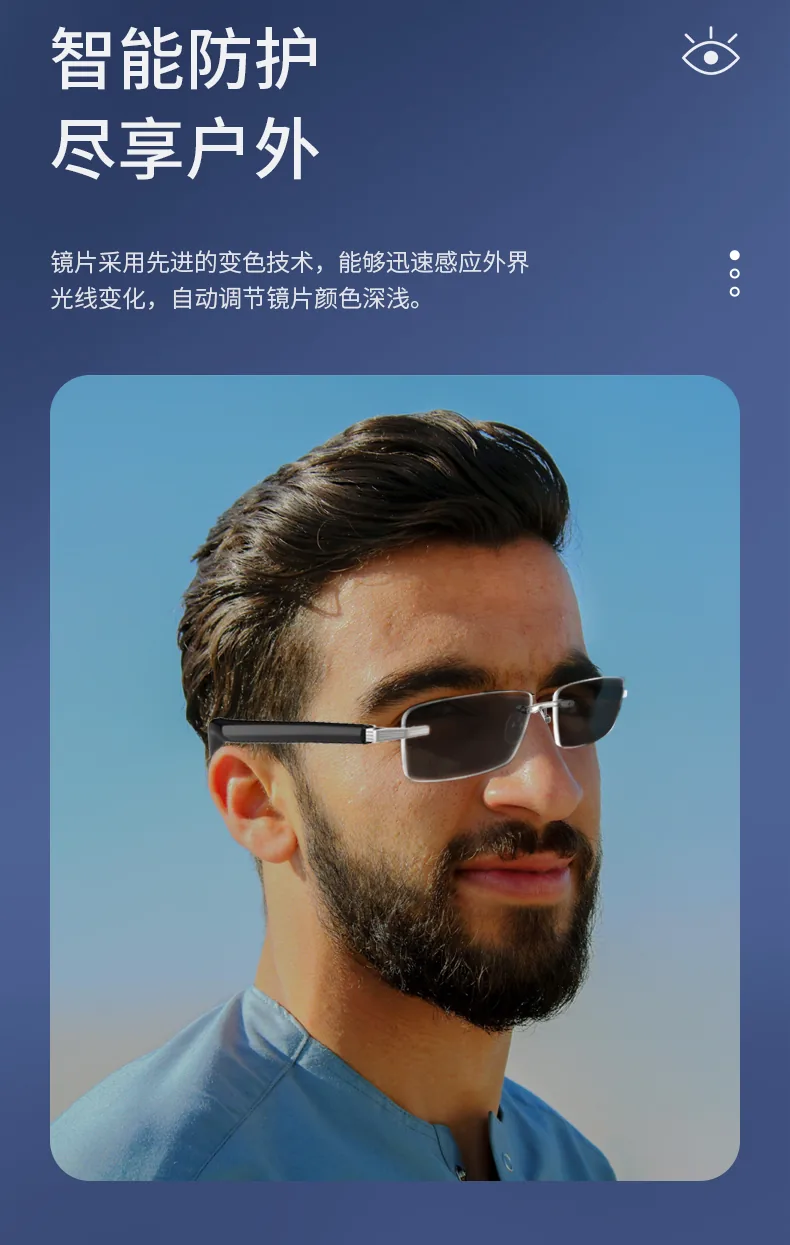
Photochromic or sun lenses only read in this light. Do not shoot the sample under softboxes alone.
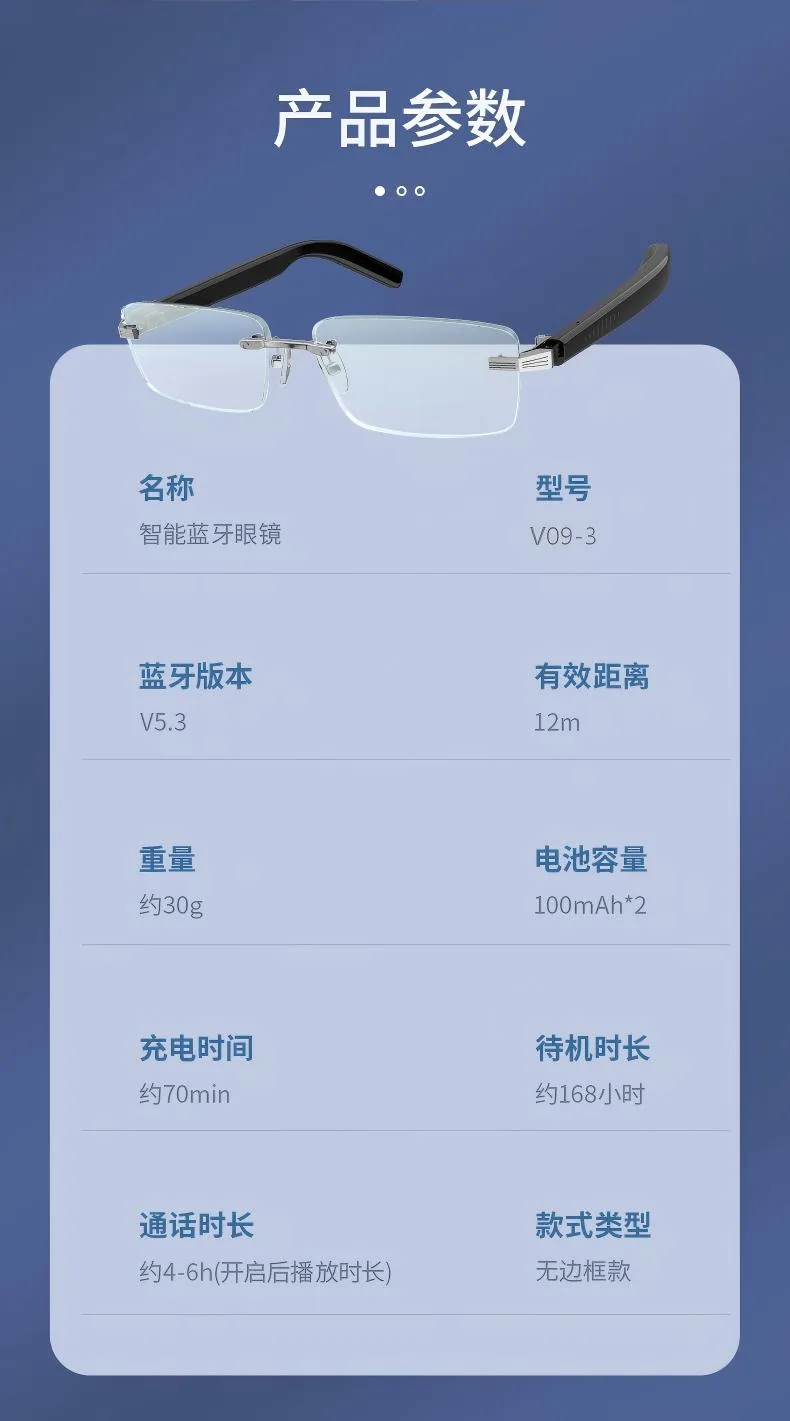
Proportion only shows on a face. This is the frame buyers forward to their boss.