
Shaped for the ride
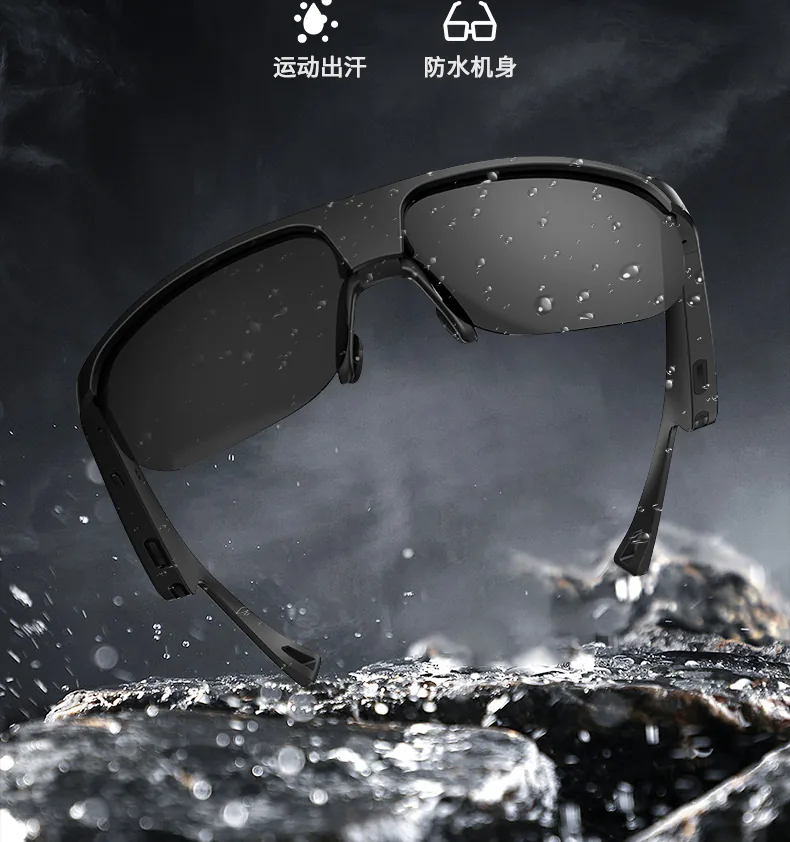
Wrap and airflow follow outdoor channels — not a city frame forced under a helmet.
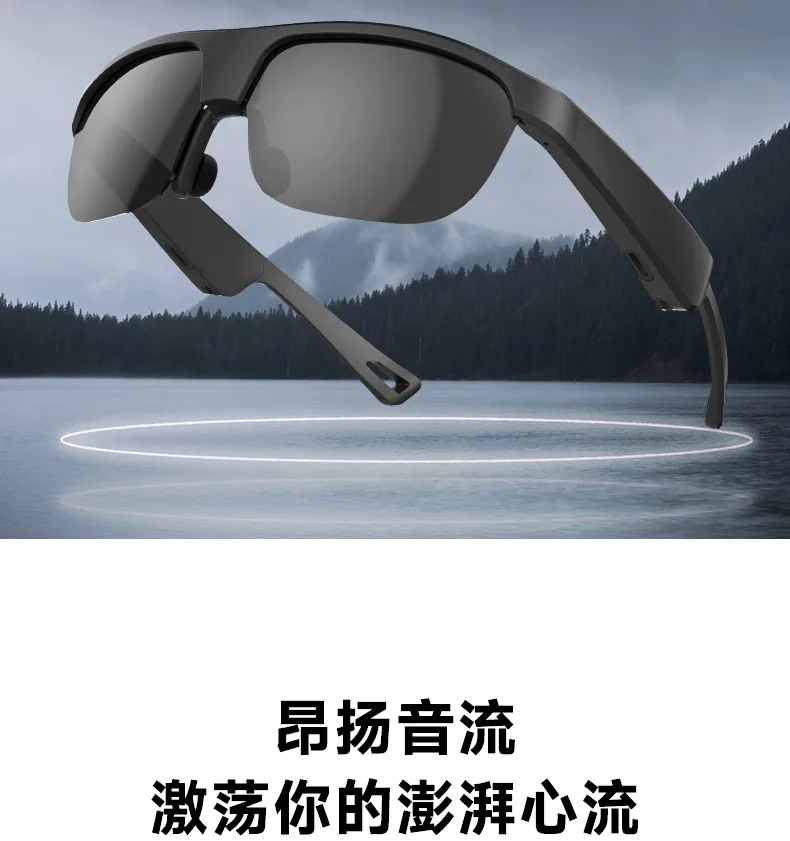
Model S01 (Smart Cycling Glasses): Integrates three core functions—high-definition Bluetooth calling, real-time multilingual translation, and smart music navigation. Professional …
Wrap and airflow follow outdoor channels — not a city frame forced under a helmet.
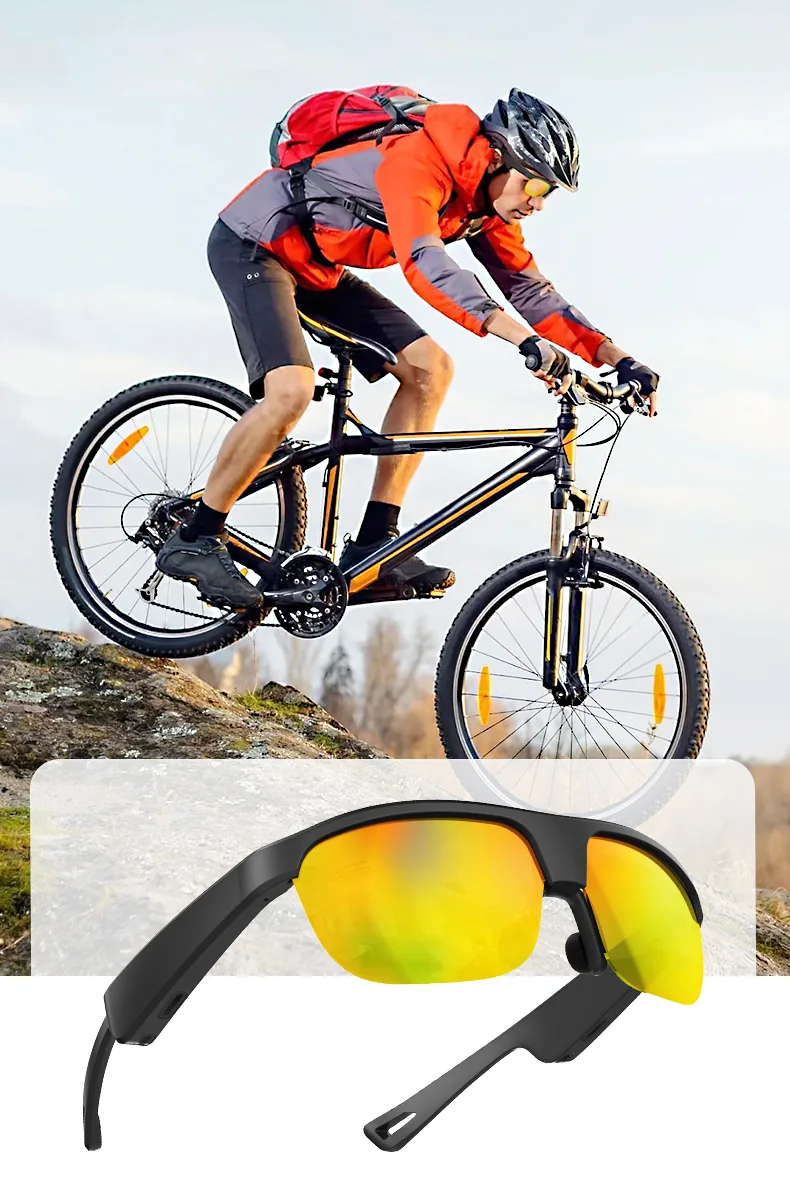
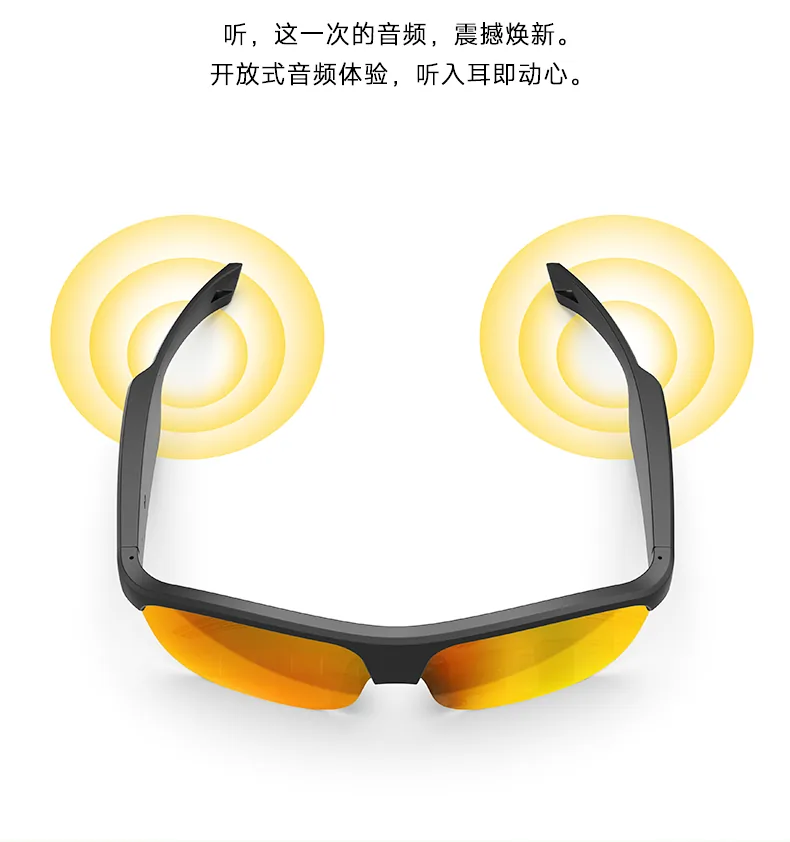
Open speakers to the ear, not a seal. A short ride is enough; no wind tunnel required.
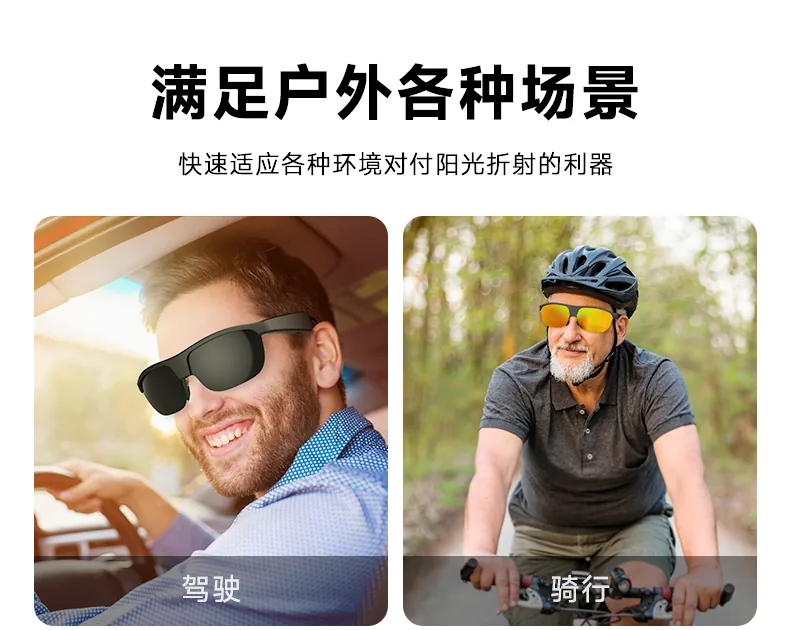
Enter the outdoor bay as eyewear, then add translation and calls — easier than a spec dump.
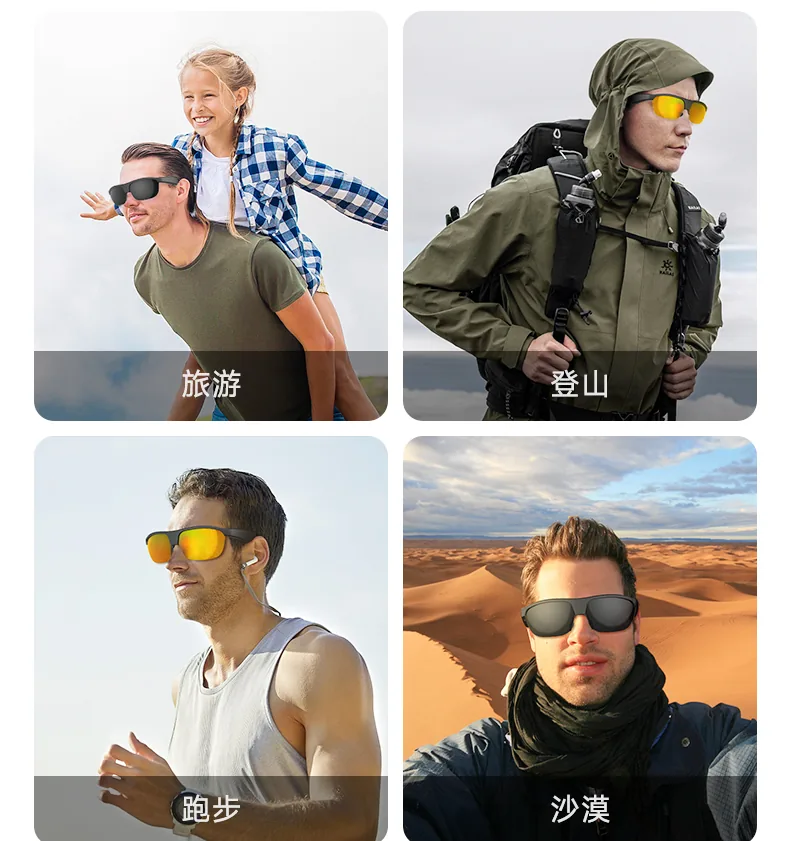
Frame, temples and case can match. Sample first, then volume.
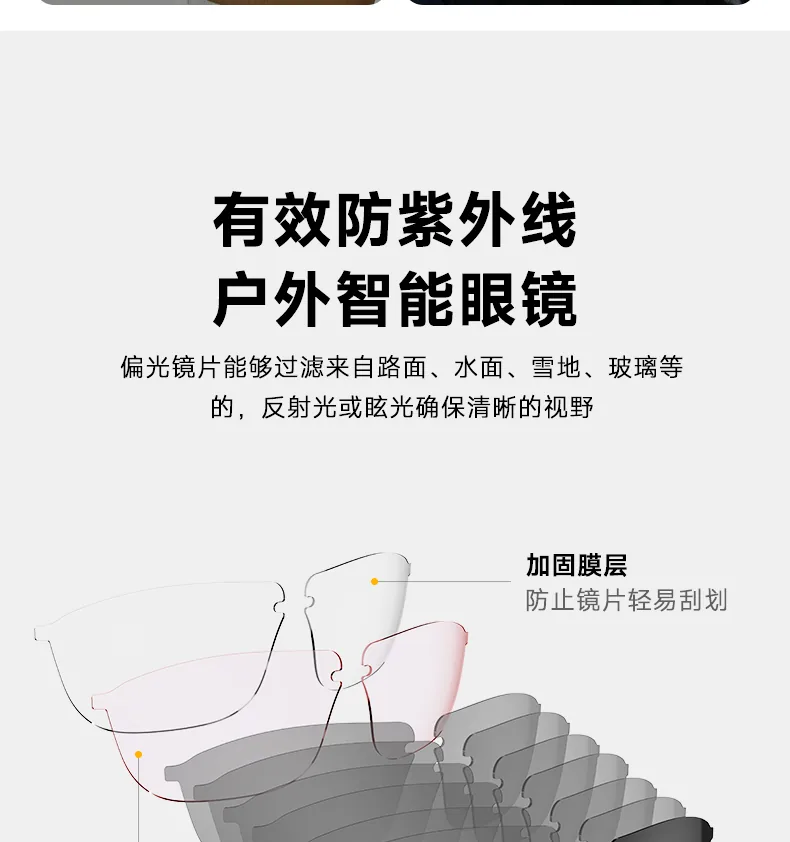
The first look is the front. Use it to check proportion, lens area and where a logo can sit.
Hinge-to-temple reads clearest here. Use it for QC and the detail page.
All-day comfort lives here. Make sure the buyer wears the sample.
Sound leaves here, ear canal free. One call in the shop is the demo.
Open-close damping can be tuned. This shot is there to prove it is not a floppy gadget.
Swap, magnetic or hanging — start with the seam. A clean seam lets the bay go close.
If the weight tips forward, the nose knows first. This side is for the QC eye.

Inserts and window cartons follow this outline. Useful when you draw the pack.
Case or cable can take a brand. Shoppers open the box before they wear it.
If the module is visible, spare-part talk is easier. One frame is enough.
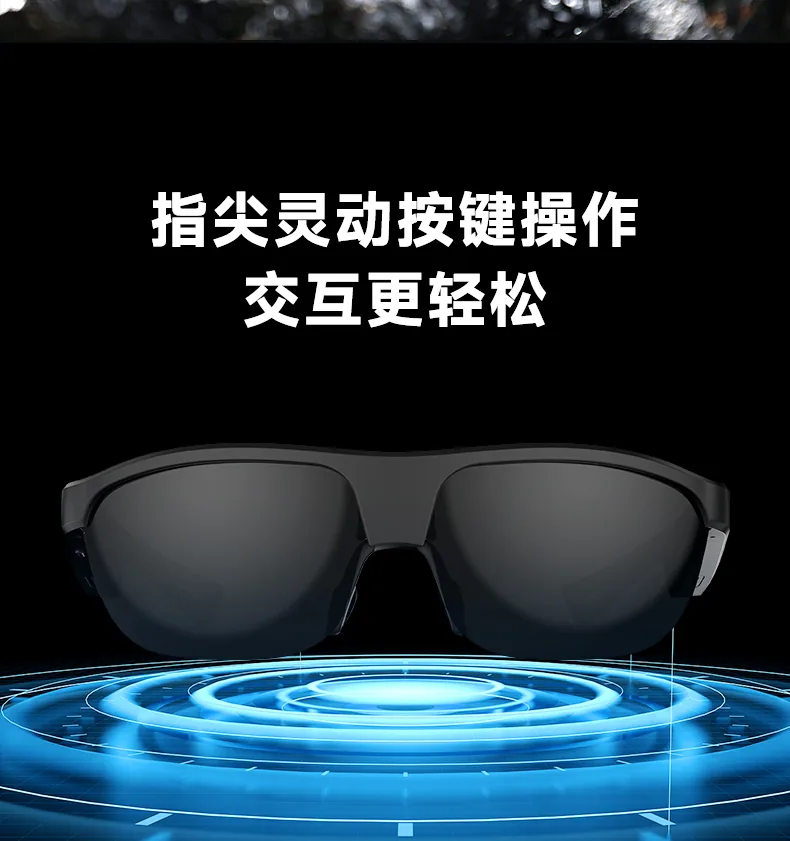
Counter, lightbox or set — this angle works. Clean background is for your retouch.
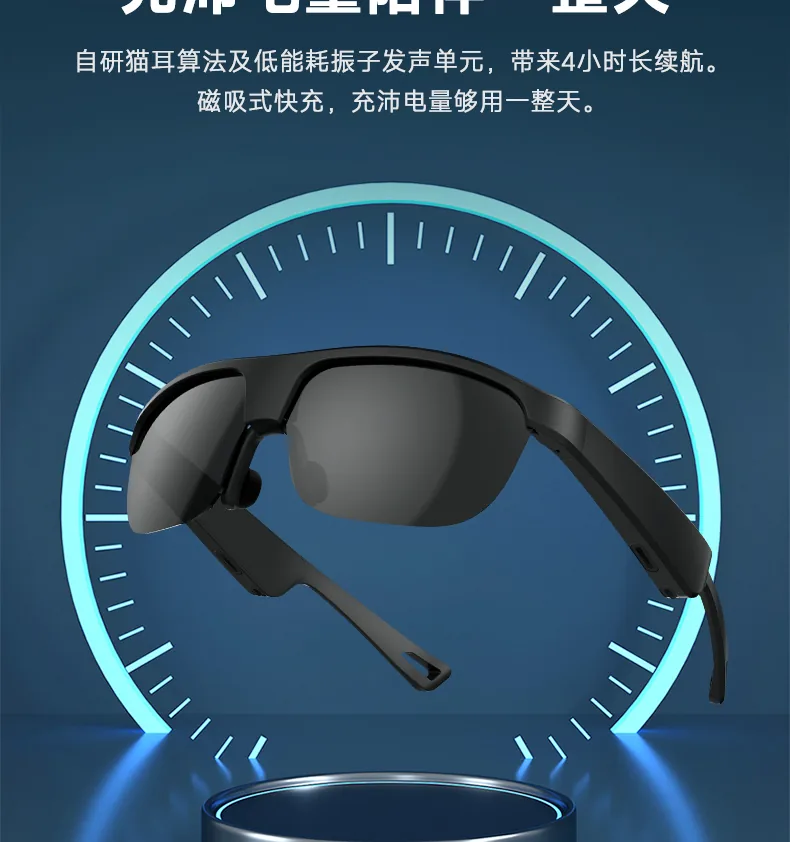
Photochromic or sun lenses only read in this light. Do not shoot the sample under softboxes alone.
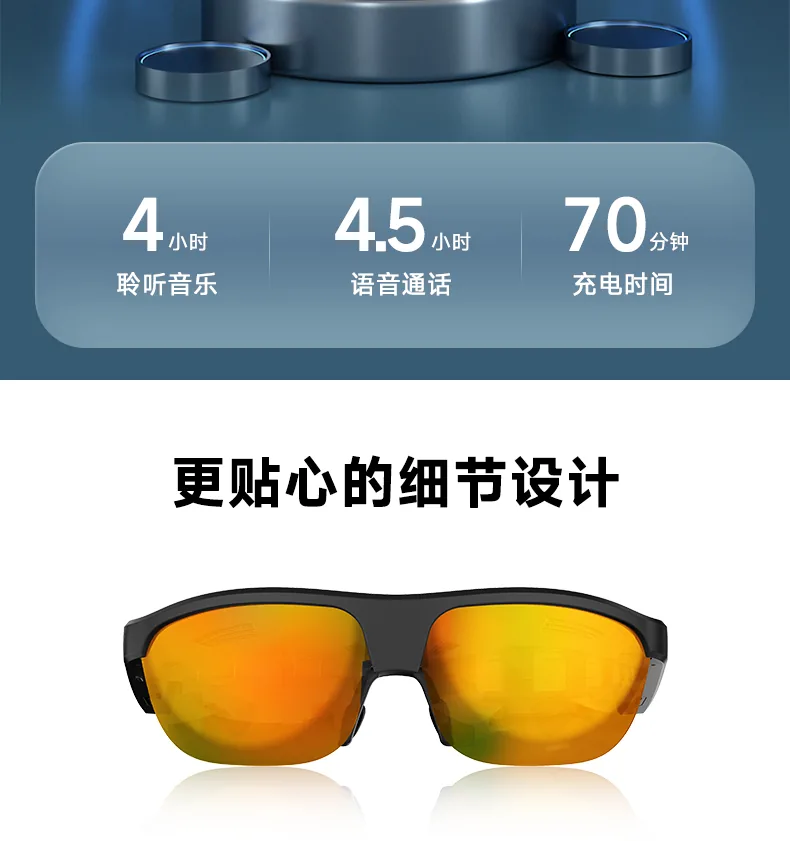
Proportion only shows on a face. This is the frame buyers forward to their boss.
Paint, print and relief only hold up in close-up. Match color against this frame.
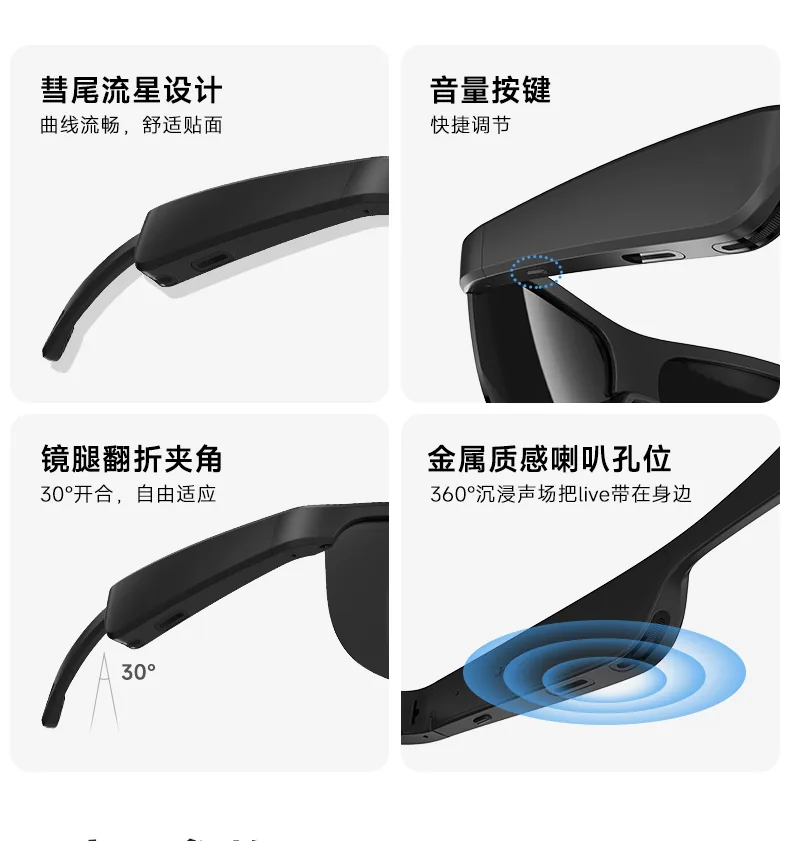
Glasses, box and manual can be shot in your brand once. Print follows this sample.
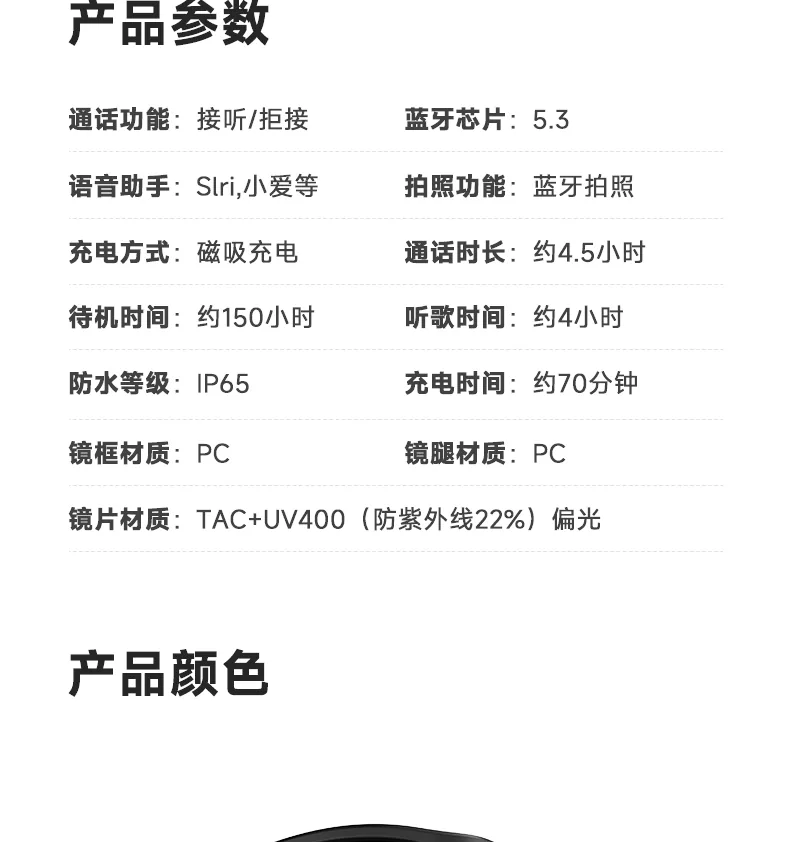
Temples or lenses side by side make several bay SKUs in one go. Put Pantone in the inquiry.
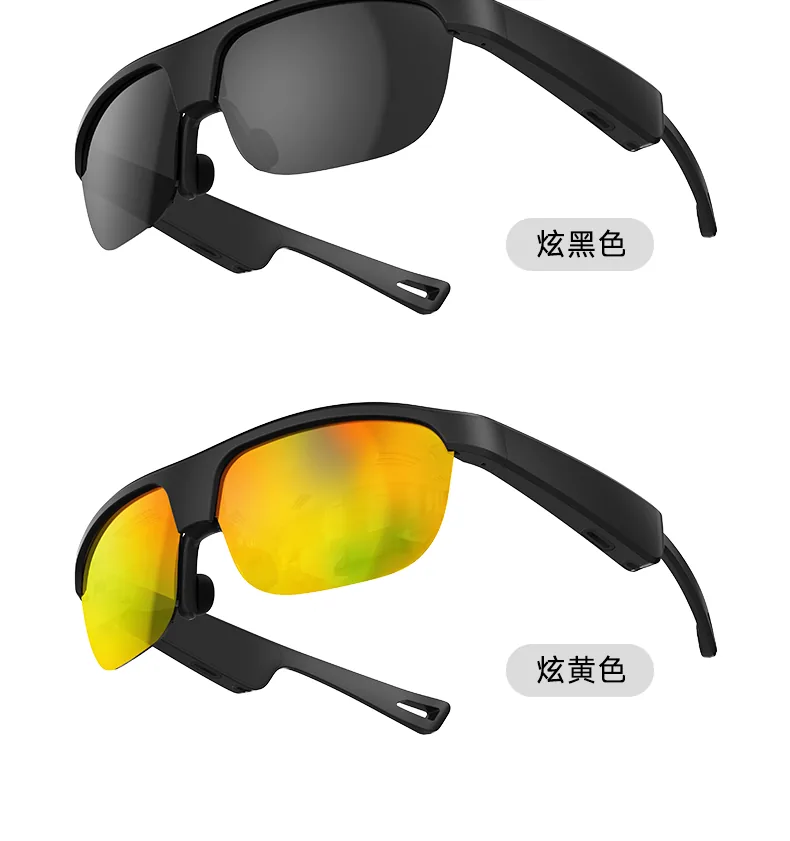
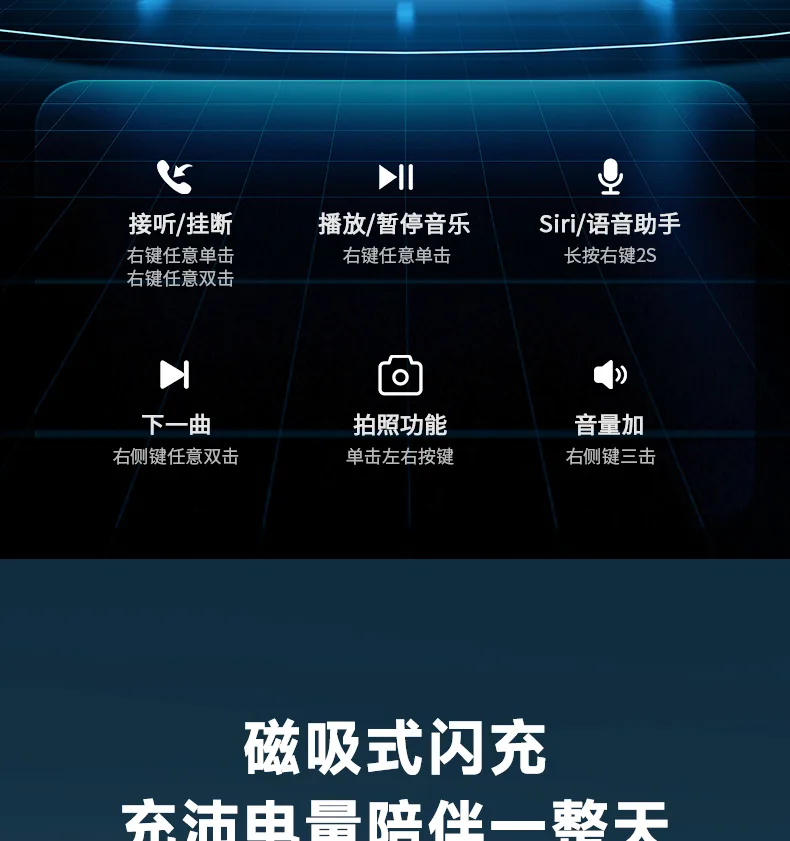
Charge port, LED and touch zone need a finger. Shoot what the manual will name.